Lactose Reduction Enzyme for Whey Permeate Conversion
Whey permeate is valuable when its lactose profile is controlled. Seraflux supplies lactase enzyme solutions for processors who need practical lactose reduction, predictable downstream handling, and clear support from trial to purchase.
We work with dairy whey processors converting permeate for reduced-lactose ingredients, sweet dairy bases, fermentation feedstocks, and streams where crystallization, viscosity, or solids behavior must be managed before concentration or drying.
Request a quote through the on-site form and include your permeate conditions, target lactose reduction, process temperature, pH range, hold time, and downstream step.
Where lactase fits in permeate handling
Lactase converts lactose into glucose and galactose. In whey permeate, that conversion can support a more flexible ingredient stream, but the enzyme program has to match the plant reality.
Common integration points include:
- Batch tanks with controlled hold time and temperature
- Inline dosing before a residence step where flow is stable enough for consistent conversion
- Pre-concentration treatment when lactose behavior affects later evaporation or drying
- Pre-fermentation preparation when the downstream user needs a more accessible carbohydrate profile
- Crystallization-managed streams where lactose reduction is part of solids control planning
Seraflux helps determine whether the enzyme should be dosed before concentration, after partial concentration, or in a dedicated conversion step based on your equipment, product target, and QA requirements.
Built for whey permeate, not generic dairy wording
As an enzyme supplier for whey processing, Seraflux focuses on the operational questions that determine whether a lactose reduction program actually works on the floor:
- What lactose reduction target is commercially useful?
- What hold time is available without slowing throughput?
- What temperature window can the plant maintain consistently?
- How will conversion affect sweetness, osmolality, viscosity, and downstream solids?
- How should QA communicate the change in carbohydrate profile?
- What documentation does purchasing need before approving supply?
The right lactase choice is not just a bottle decision. It is a process fit decision.
Conversion targets without publishing confidential specifications
Some projects need partial lactose reduction. Others need a tighter conversion target for a finished ingredient claim, customer specification, or fermentation performance. Seraflux supports target-setting without forcing a one-size-fits-all process.
We review:
- Starting lactose level and total solids
- Permeate pH and mineral load
- Temperature range available during treatment
- Hold time and tank turnover rhythm
- Downstream concentration, drying, blending, or fermentation step
- Sensory limits, especially sweetness and cooked notes
- Internal QA method and release criteria
We do not publish confidential supply specifications on the page. Instead, we quote against your operating conditions and provide the technical detail needed for evaluation under controlled plant trials.
Downstream solids management
Lactose behavior can influence more than label claims. In permeate streams, conversion can affect solids handling, concentration behavior, crystallization tendency, and final powder performance.
Seraflux helps processors consider:
- Viscosity control during concentration or high-solids handling
- Crystallization planning when unconverted lactose creates process constraints
- Dryer feed behavior where solids profile influences consistency
- Powder flow and storage expectations for ingredient customers
- Sweetness impact when glucose and galactose formation changes sensory balance
- Fermentation performance where carbohydrate accessibility matters
The objective is not maximum treatment for its own sake. The objective is the right level of conversion for the product, plant, and buyer specification.
Process variables that matter
Lactase performance in permeate depends on more than enzyme selection. Seraflux evaluates the full operating window before recommending a program.
Temperature
Treatment temperature affects conversion speed and process stability. We help identify a practical range that fits your tank schedule, heat recovery, and microbial control plan.
pH
Whey permeate composition varies by upstream process. We review pH conditions and buffering behavior so the enzyme recommendation fits the actual stream.
Residence time
Hold time determines how realistic the conversion target is. Seraflux helps compare batch treatment, inline residence, and staged dosing options.
Total solids
Higher solids can change flow behavior and mixing performance. We assess whether treatment before or after concentration gives the better operating result.
Mixing and dosing
Uniform dosing matters. We support practical dosing-point discussions, including tank agitation, inline blending, recirculation, and start-up checks.
QA and commercial communication
For B2B dairy ingredients, lactose reduction has to be communicated clearly. Seraflux supports technical and commercial teams with documentation that can be used in supplier approval, internal trials, and customer conversations.
Support can include:
- Product documentation for purchasing review
- Trial planning guidance
- Recommended process checks for conversion monitoring
- Handling and storage guidance
- Allergen, regulatory, and origin information where applicable
- Change-control support for approved supply programs
Your customers need confidence. Your operators need a process they can run. Your purchasing team needs a supplier who can document what is being supplied.
Typical applications
Seraflux lactase solutions for whey permeate conversion are used in projects such as:
- Reduced-lactose whey permeate ingredients
- Sweet dairy solids and blended ingredient systems
- Fermentation feed preparation
- Lactose-managed concentration streams
- Powder projects where solids behavior is a concern
- Customer-specific carbohydrate profile adjustments
If you are producing permeate at scale, the enzyme program should be designed around your line conditions, not a generic brochure assumption.
What to send for a quote
To scope the right lactase recommendation, send the following through the request form:
- Whey permeate source and approximate composition
- Current lactose level and target reduction
- Batch or continuous process description
- Temperature and pH range during treatment
- Available hold time
- Total solids before and after treatment
- Downstream step: evaporation, drying, blending, fermentation, or sale as liquid ingredient
- Packaging and annual volume estimate
- Any customer specification or sensory limits
Plant-ready support from first trial to supply
Seraflux is built for processors who need direct technical answers. We help translate lactose reduction goals into a workable process window, then support the purchasing and QA steps needed for supply approval.
Request a quote using the on-site form and include your operating conditions. Seraflux will respond with a practical recommendation for your whey permeate conversion target.
One-minute process explainer
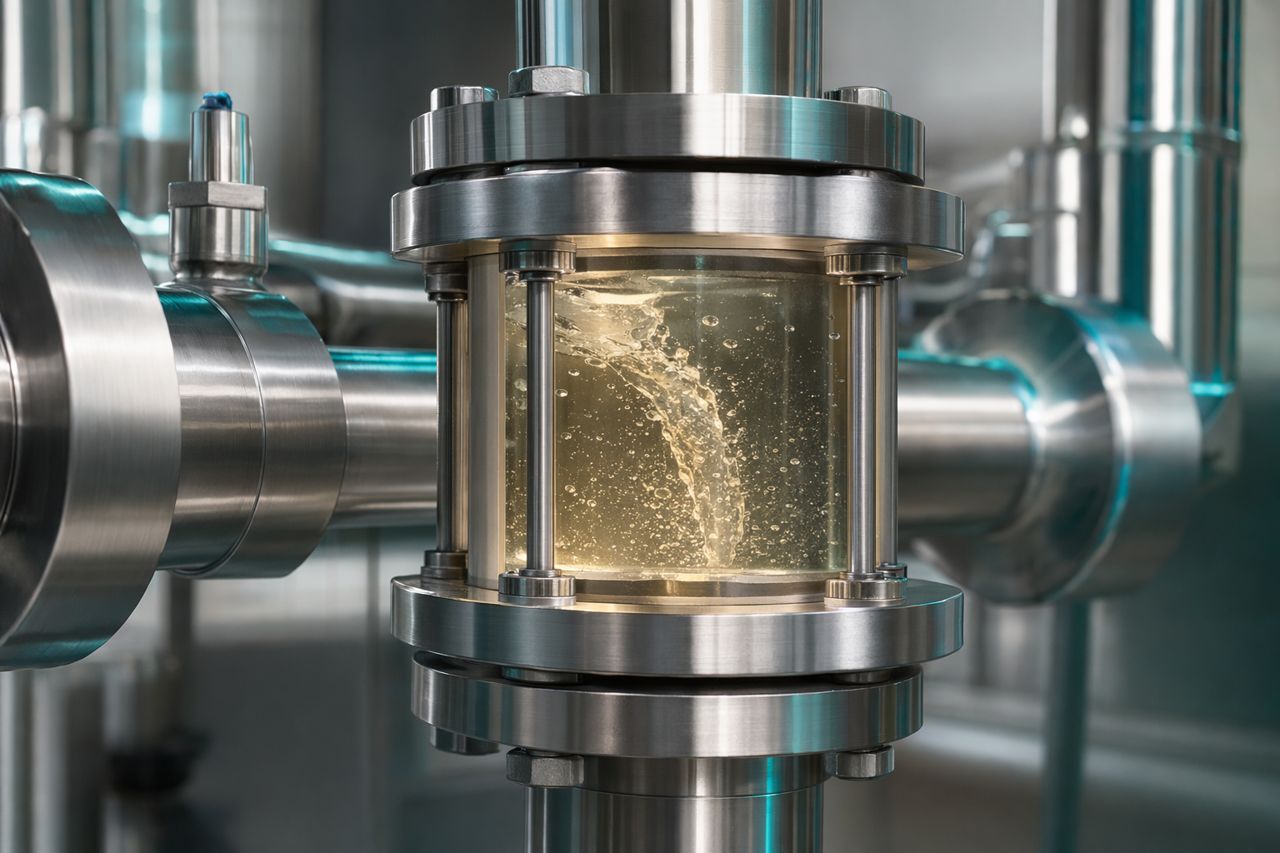
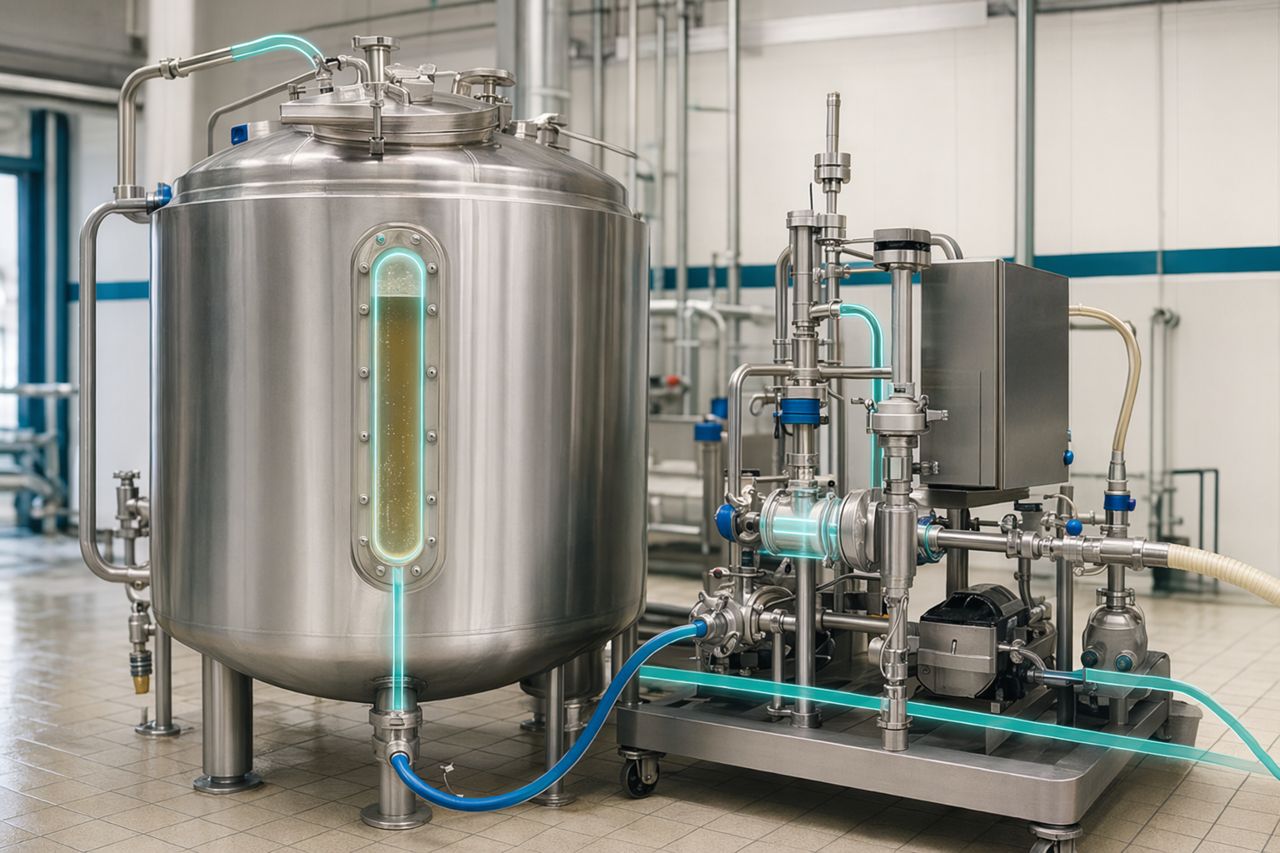
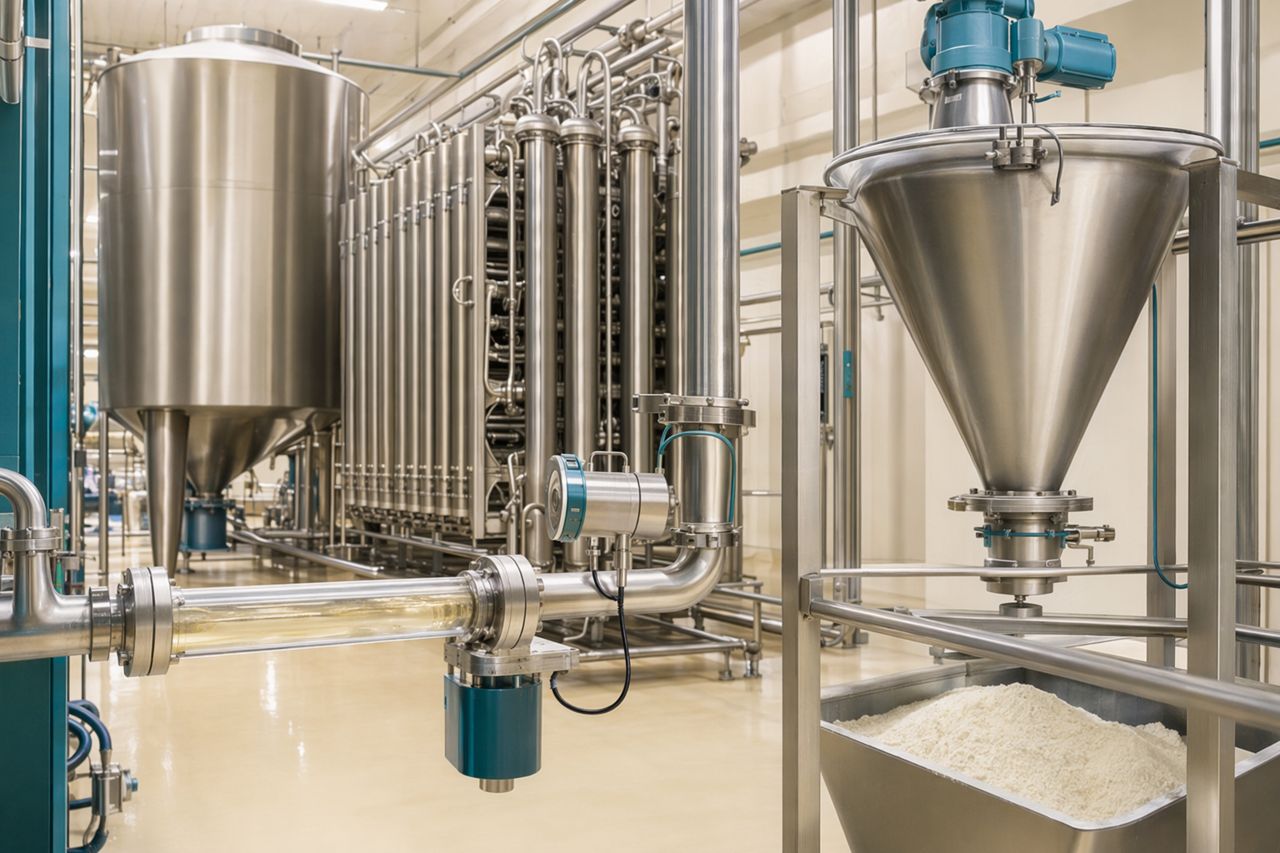
A faceless explainer video on this page shows how lactase fits into whey permeate conversion: a pale-gold stream moving through stainless processing, enzyme dosing, controlled residence time, lactose reduction diagnostics, and downstream solids management.