Lipase for Dairy Flavor and Whey Ingredient Applications
When whey streams become value-added ingredients, flavor control matters as much as yield. Seraflux supports dairy whey processors with lipase solutions for controlled dairy flavor development, helping technical teams evaluate where enzymatic fat modification can improve character, consistency, and ingredient positioning.
As an enzyme supplier for whey processing, we focus on plant reality: substrate variability, thermal history, residence time, viscosity, membrane compatibility, sensory limits, and clean downstream handling.
Controlled flavor, not uncontrolled hydrolysis
Lipase can support the release of fatty acids that contribute to buttery, creamy, piquant, cheese-like, or cultured dairy notes. In whey ingredient operations, the value is not simply stronger flavor. The value is targeted flavor development that fits the application without creating harshness, rancidity, or downstream processing issues.
Seraflux helps processors evaluate lipase use against defined commercial targets:
- Mild dairy notes for blended dry mixes
- Creamy or buttery character for flavor systems
- Cheese-style profiles for savory applications
- Fermented dairy complexity for ingredient bases
- Functional whey streams where sensory impact must stay controlled
The right lipase program depends on the fat substrate, process window, reaction hold, heat stop, and final ingredient format.
Built for whey processing conditions
Whey plants operate with variable feed quality, tight thermal windows, and demanding separation systems. A lipase that performs well in a benchtop trial still needs to behave predictably in production.
We support evaluation across the conditions that matter to process managers:
- Whey cream, concentrated whey fractions, or fat-containing dairy side streams
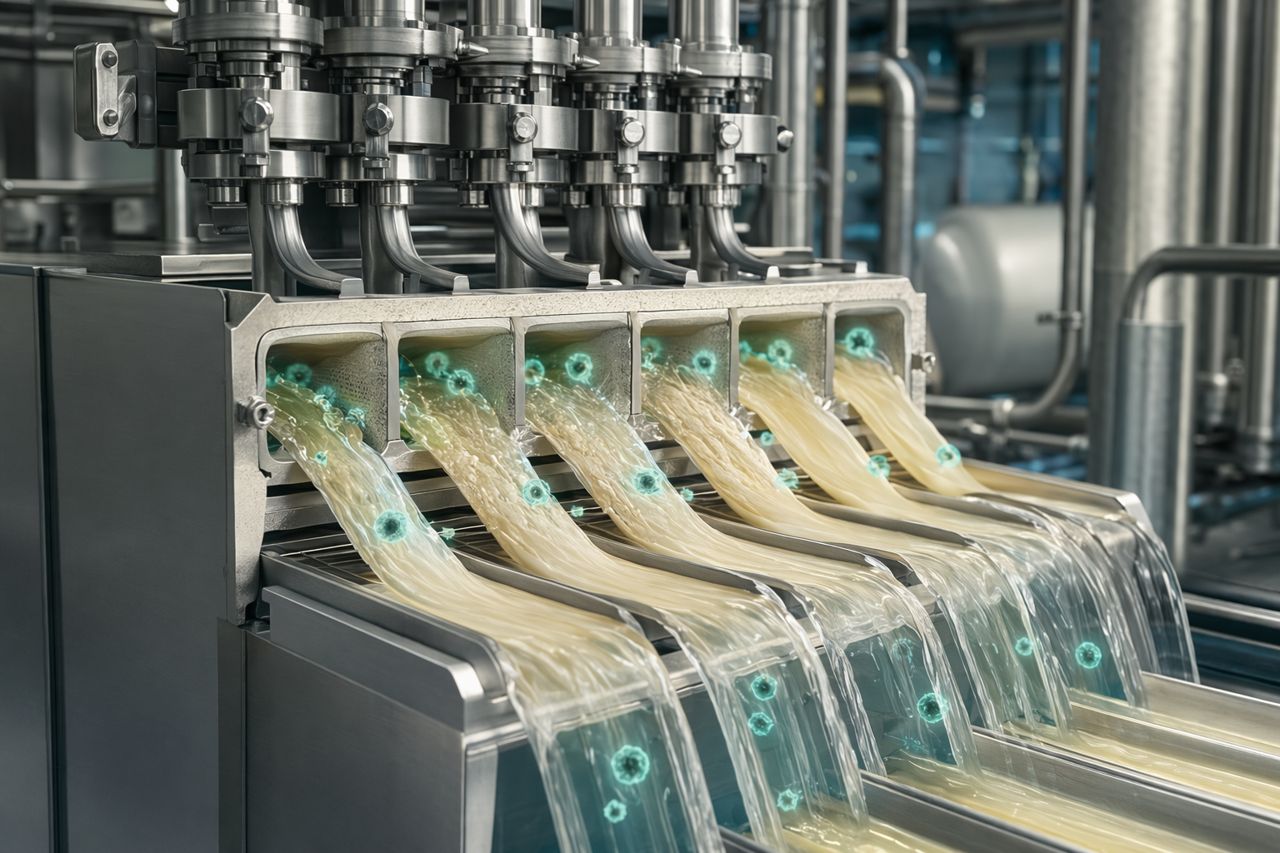
- Liquid ingredient bases before drying or blending
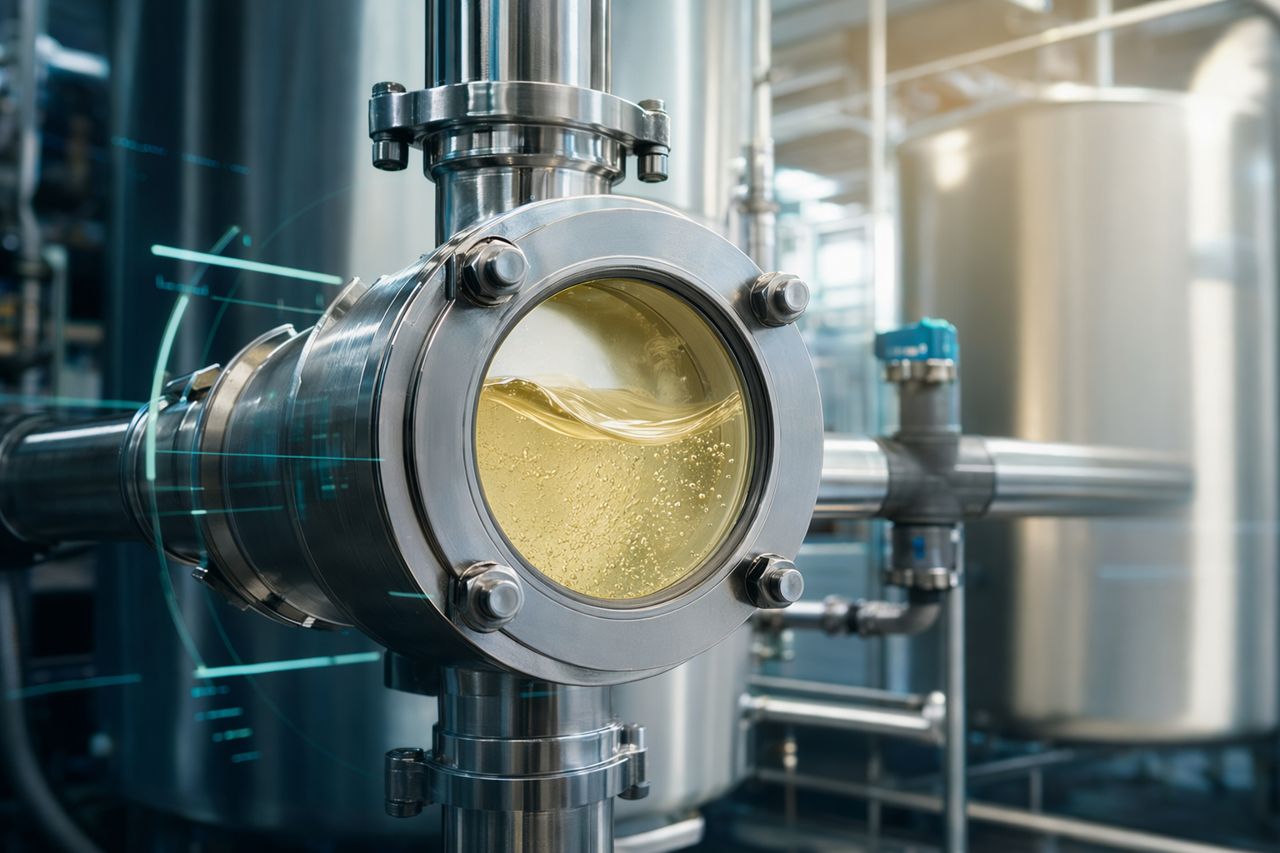
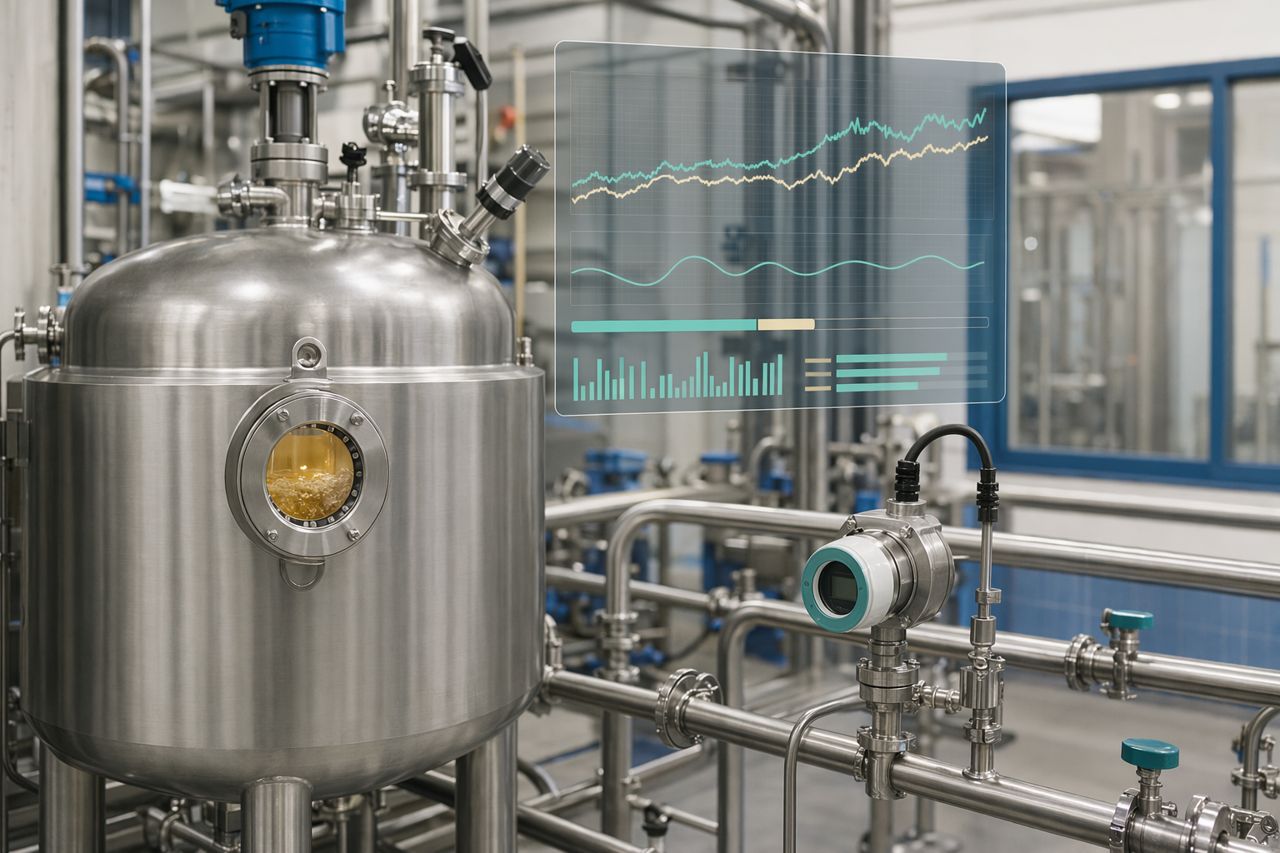
- Controlled reaction tanks with defined agitation and hold strategy
- Heat treatment steps used to slow or stop enzyme action
- Sensory review before and after downstream processing
- Compatibility checks around membranes, evaporators, dryers, and storage stability
Our goal is a practical operating window, not a generic enzyme recommendation.
Where lipase can fit in a whey ingredient plant
Dairy flavor concentrates
Lipase may be used to build dairy character in fat-containing whey-derived streams. The process can be tuned to support mild creaminess, buttery notes, or sharper cheese-style direction depending on substrate and reaction control.
Savory and prepared-food ingredient systems
For processors supplying seasoning, sauce, bakery, snack, or prepared-food manufacturers, controlled lipase treatment can help deliver recognizable dairy flavor without relying only on added flavor compounds.
Whey-based blends and nutritional ingredients
Some whey ingredient applications require a cleaner sensory profile. Others benefit from added dairy complexity. Seraflux helps determine whether lipase treatment supports the intended finished product or introduces unnecessary flavor risk.
Processed cheese and cultured dairy bases
Where whey-derived ingredients are used in cheese systems, dips, spreads, or cultured profiles, lipase can be assessed as part of a broader flavor-building strategy alongside heat, culture-derived notes, salt system, and fat composition.
Process variables we help define
A successful lipase application depends on controlled use. During project scoping, Seraflux technical support can help your team define the major operating variables before plant trial.
Substrate profile
Fat level, fat source, prior heat exposure, solids level, pH, and mineral balance can all affect sensory development and process behavior.
Reaction control
Hold time, temperature range, agitation, contact efficiency, and target stop point determine whether the profile stays clean or moves into harsh notes.
Viscosity and handling
For concentrated streams, viscosity affects mixing, transfer, heat exchange, and sampling. Lipase evaluation should include physical handling, not only flavor screening.
Downstream compatibility
Membrane systems, evaporation, drying, blending, and packaging can change how flavor expresses. A good plant trial tracks sensory impact before and after key unit operations.
Sensory boundary setting
We recommend defining a clear target range: underdeveloped, acceptable, preferred, and overdeveloped. This helps the production team avoid subjective adjustments during scale-up.
Practical buyer value for whey processors
Seraflux is built for B2B buyers who need a technical enzyme supplier, not a catalog conversation.
- Application-first selection: lipase recommendations aligned to your stream, target flavor, and process constraints
- Plant validation support: guidance for bench screening, pilot evaluation, and production trial planning
- Controlled sensory outcomes: support for defining a usable flavor window and avoiding over-hydrolysis
- Throughput awareness: evaluation that respects tank availability, hold time, heating capacity, and downstream scheduling
- Downstream risk management: attention to membranes, evaporators, dryers, packaging, and storage behavior
- Procurement clarity: supply discussion based on commercial volume, quality expectations, documentation needs, and lead time
What we need to quote accurately
To recommend and quote a lipase solution for dairy flavor or whey ingredient use, share the details your team already tracks:
- Whey stream or dairy substrate type
- Approximate fat and solids profile
- Current thermal process and available reaction window
- Target flavor direction and intensity
- Finished format: liquid, concentrate, powder, blend, or base
- Downstream unit operations after enzyme contact
- Trial scale and expected production volume
- Documentation, allergen, and regulatory requirements for your market
If some information is not finalized, we can still begin with a technical scoping conversation.
Faceless explainer video
A one-minute overview can sit here for buyers who want the process logic quickly: lipase selection, controlled reaction, sensory validation, and scale-up checks for whey ingredient operations.
Request a quote
Tell us what you are making, what flavor result you need, and where lipase could fit in your process. Seraflux will respond with a practical recommendation path and quotation details for your plant.